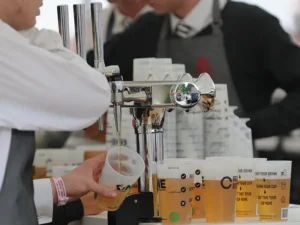
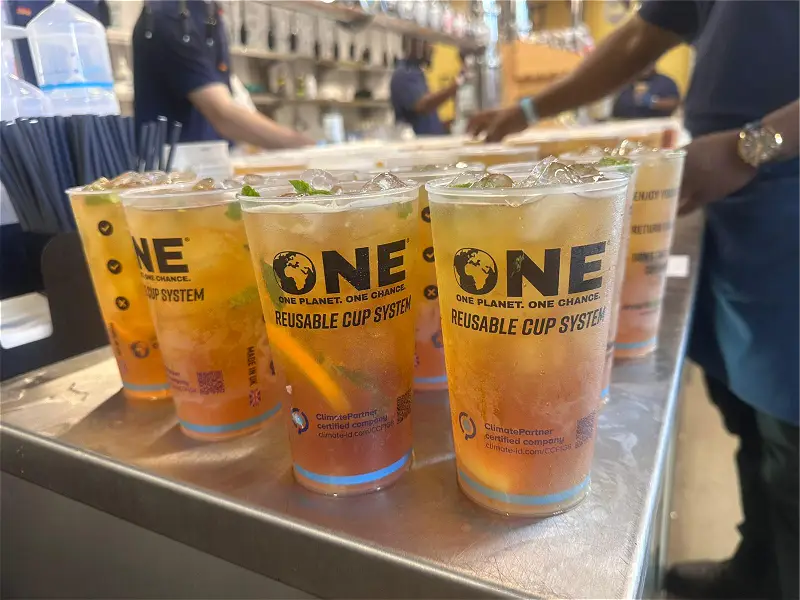
For quite some time now, reusable cup schemes have been positioned as a nice extra — a sustainability initiative venues could trial, promote lightly, and move on from if it didn’t quite fit. That perception has changed dramatically. Today, returnable cups are no longer viewed as a bonus feature. They are increasingly expected by audiences, partners, and venue operators alike.
Across stadiums, arenas, festivals, and large-scale live events, returnable cups are now part of the core infrastructure of modern venue operations. This shift isn’t driven by a single factor. It’s the result of changing audience behaviour, growing environmental accountability, and significant improvements in how returnable cup systems actually work in practice.
Audience expectations have moved on
Modern eventgoers are far more sustainability-aware than they were even five years ago. Whether attending a cricket match, a concert, or a major sporting event, fans now expect venues to demonstrate visible action when it comes to waste reduction.
Single-use plastics are widely seen as outdated and unnecessary. As a result, returnable cups have become an expected part of the event experience rather than an optional initiative. In many cases, fans actively question venues that still rely heavily on disposable cups.
Importantly, this expectation goes beyond environmental concerns. For many attendees, returnable cups simply make sense. They contribute to cleaner concourses, reduced litter, and a more organised environment — all of which improve the overall experience.
From sustainability gesture to operational requirement
Early reusable cup schemes often struggled with slow returns, queues, and operational complexity. While the intention was positive, these systems sometimes added friction for fans and staff alike. That’s one of the reasons returnable cups were historically positioned as a “bonus” rather than a fundamental operational tool.
That reality has changed. Modern returnable cups are supported by smarter infrastructure, better system design, and automated processes that make returns quicker and easier. Instead of slowing things down, today’s returnable cup systems are designed to keep people moving.
For venues managing high footfall, this shift is critical. Faster returns improve crowd flow, reduce pressure on staff, and help venues operate more efficiently during peak moments.
Regulation, reporting, and accountability
Alongside changing audience expectations, venues are facing increased external pressure to demonstrate sustainability performance. Local authorities, governing bodies, sponsors, and commercial partners all now expect measurable action.
Returnable cups offer venues a clear and visible way to demonstrate progress. Unlike behind-the-scenes waste initiatives, returnable cup systems are highly visible to fans and stakeholders. They show that sustainability is built into the live event experience, not just referenced in reports.
As environmental reporting becomes more structured and transparent, returnable cups are increasingly seen as a practical response to real regulatory and reputational demands.
The growing importance of data
One of the biggest developments in recent years is the role of data. SMART returnable cups from Event Cup Solutions, for instance, can now provide insight into usage rates, return behaviour, peak demand periods, and system efficiency.
This data helps venues:
- Optimise return point locations
- Reduce cup loss
- Improve stock planning
- Demonstrate environmental impact with confidence
In an industry where accountability matters, data-backed sustainability is becoming essential. Returnable cups are no longer just about waste reduction — they are about informed decision-making.
When returnable cups are missing, it shows
Perhaps the clearest sign that expectations have shifted is how noticeable the absence of returnable cups has become. Venues still relying on disposable solutions often face visible waste, fuller bins, and negative audience feedback.
In contrast, venues with well-managed returnable cup systems benefit from cleaner environments, stronger sustainability perception, and a more modern brand image.
In today’s event landscape, returnable cups are judged less on novelty and more on necessity.
A new baseline for modern venues
The future of live events is smarter, cleaner, and more efficient. Returnable cups sit at the centre of that evolution. As systems continue to improve, the conversation has moved on from whether venues should adopt returnable cups to how advanced their approach should be.
For modern venues, returnable cups are no longer a bonus feature. They are part of the standard that audiences, partners, and regulators now expect.